Platelet Rich Plasma
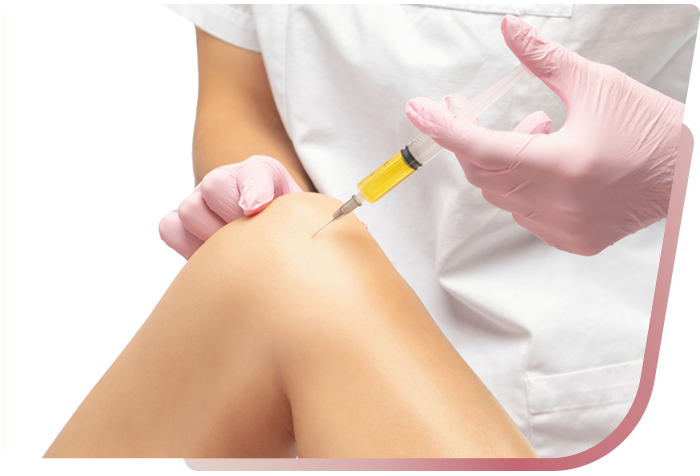
Platelet-rich plasma, short known as PRP, is a form of regenerative medicine that uses the concentrated form of platelets from the patient’s blood for healing. These are crucial blood components with growth factors essential for tissue repair and regeneration. PRP is different from normal plasma because it has a higher concentration of platelets, which accelerates the natural healing process. PRP is used in medical fields like dentistry, sports medicine and surgery. It has also shown notable benefits in treating injuries and conditions that involve damaged tissues.
PRP is usually used in prolotherapy, which triggers the body’s healing processes. Due to its healing capability, it is probably the best alternative to dextrose injections.
PRP is effective in speeding up the healing process of,
- Tendon Tears: Injuries such as rotator cuff tears and tennis elbow can heal faster with PRP, reducing the demand for surgery.
- Joint Osteoarthritis: PRP helps reduce pain and inflammation in knee osteoarthritis, enhancing joint mobility and quality of life.
- Ligament Laxity and Sprains: PRP strengthens overstretched ligaments, restoring functionality and stability.
How Does Platelet-Rich Plasma Work?
Platelet-rich plasma is drawn from the patient’s blood, making it safe and free from transmittable diseases like hepatitis and HIV. PRP has platelets that provide a variety of growth factors, unlike synthetic recombinant growth factors produced in labs. Apart from this, PRP includes cell adhesion molecules acting as natural fibrin glue, stimulating the growth of three-dimensional fibrin strands that create support for healing. Apart from this, PRP has some additional benefits, such as stem cell proliferation and differentiation, attracting macrophages, and improving stem cell migration.
Post-Treatment and Recovering Stage
PRP treatment is one of the safest procedures compared to surgical ones. There may be some temporary discomfort or swelling only at the spot where they have pierced the injection needle. Following post-procedure guidelines, like avoiding heavy physical activities that trigger healing, is important.
PRP therapy has proven to be a powerful tool in regenerative medicine, offering a natural and effective method to treat different pains without tearing the skin. It can harness the body’s healing mechanisms, making PRP a famous option for patients looking for non-surgical alternatives to heal themselves.
The PRP Procedure
- A PRP procedure happens for 30 minutes. Know how this procedure takes place,
- Blood Draw and Preparation: We draw a small amount of blood from the patient and process it in a centrifuge to concentrate the platelets.
- Injection Spot Identifying: Musculoskeletal ultrasound may be used to find the exact injection spot and guide the needle placement.
- Local Anaesthetic: A local anaesthetic, usually 1% lidocaine, is administered to reduce any discomfort during injection.
- PRP Injection: The prepared PRP gets injected into the affected spot.
After the injection, patients are advised to avoid anti-inflammatory medications for a week because they can stop the healing process. Reducing physical activity during this time window can help in recovery. Some localised discomfort may happen up to 48 hours after the injection, but you don’t need to worry, as it is mild and can be managed.