Breathing Dysfunction
How Breathing Mechanics Create an Impact?
The mechanics of breathing include rate, depth, breath rhythms, and the primary breathing muscle. Breathing should happen through diaphragmatic activation, which ensures proper core stability and respiratory function. Many people tend to follow a bad breathing pattern, such as upper chest breathing, which depends too much on accessory muscles around the neck, chest, and shoulders.
Such changes can result in different symptoms, including headaches, back and neck pain, shoulder issues, facial pain, rotator cuff injuries, and temporomandibular joint dysfunction.
Breathing Dysfunction or bad breathing patterns can cause psychological changes within the body, giving you different symptoms and impairments. These dysfunctions affect breathing mechanics, musculoskeletal health, and blood biochemistry, contributing to physical and psychological conditions.
- This incorrect breathing behaviour alters posture and can force you to
- Forward Head Thrust
- Rounded Shoulders and Scapular Winging
- Rigidity of the Rib Cage and Spine
Biochemical Changes in Blood
Overbreathing hinders blood chemistry by lowering carbon dioxide levels in the blood, known as hypocapnia. This shift in carbon dioxide affects blood pH, haemoglobin chemistry, electrolyte balance, and overall blood flow, which can adjust kidney function and cellular processes. This is also called hyperventilation syndrome, which has many symptoms and affects multiple body systems.
What are the Symptoms of Hyperventilation Syndrome?
- Respiratory issues like suffocation and shortness of breath
- Chest discomfort like tightness, pain and heavy pressure
- Cardiac symptoms like palpitations, rapid and irregular heartbeats
- Musculoskeletal problems like muscle pain, tension, fatigue and sudden weakness
- Neurological effects like dizziness, headaches, lack of concentration and balance disturbances
- Gastrointestinal distress like bloating, cramps, nausea and sometimes diarrhea
- Sensory disturbances like dry mouth, cold, blurred vision and more
- Emotional symptoms like anxiety, depression and panic
The symptoms mentioned above result from the body’s response to altered blood chemistry due to hypocapnia, which affects cellular function.
Faulty Breathing Diagnosis
Diagnosing breathing dysfunction involves a thorough analysis of both posture and breathing mechanics. This includes a postural analysis to observe deviations from normal alignment and a physical examination of your breathing pattern using the diaphragm and accessory muscles.
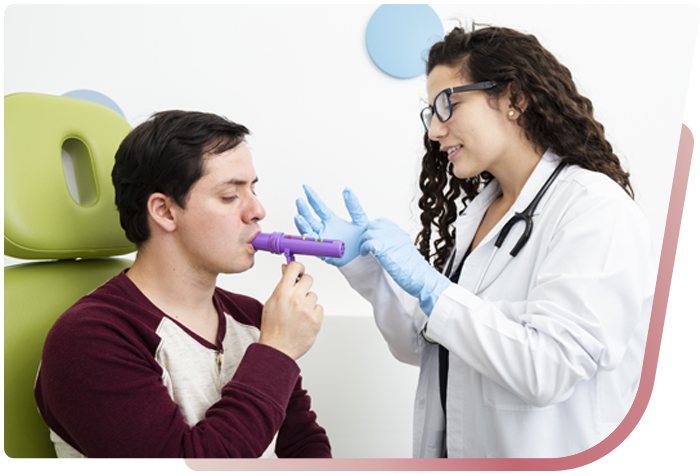
Overbreathing tends to be ignored, but it can be diagnosed with a capnometer, a non-surgical tool that measures the carbon dioxide level in the air you exhale. Northshore Physical Medicine offers this, and you get immediate results that help us develop a personalised treatment plan.
Treatment of Breathing Dysfunction
Treating breathing dysfunction or faulty breathing focuses on correcting hidden mechanical and biochemical problems. This treatment may include,
- Manual Therapy:
- Techniques aim to release tension in the myofascial structures and realign vertebral segments.
- Diaphragmatic Training:
- Teaching proper diaphragmatic breathing to reduce the activation of accessory muscles during rest and physical activity.
- Postural Correction:
-
We give easy exercises to improve the core stability and alignment for a better lifestyle.
The capnometer also helps provide feedback during treatment, allowing patients to see their breathing patterns and make minor corrections in real time.
Breathing dysfunctions and irregular breathing behaviours are prevalent and affect your health and quality of life. Accurate and precise diagnosis through our musculoskeletal assessment and carbon dioxide measurement is essential to developing effective treatment methods. Proper treatment and a professional touch can revive normalcy in breathing mechanics, correct blood chemistry, and eliminate all the symptoms of this condition. If you are suffering from breathing dysfunction, contact our team and schedule an appointment with our expert practitioners to become healthier.
Add Your Heading Text Here
Lorem ipsum dolor sit amet, consectetur adipiscing elit. Ut elit tellus, luctus nec ullamcorper mattis, pulvinar dapibus leo.
Add Your Heading Text Here
Lorem ipsum dolor sit amet, consectetur adipiscing elit. Ut elit tellus, luctus nec ullamcorper mattis, pulvinar dapibus leo.
Lorem ipsum dolor sit amet, consectetur adipiscing elit. Ut elit tellus, luctus nec ullamcorper mattis, pulvinar dapibus leo.