Prolotherapy
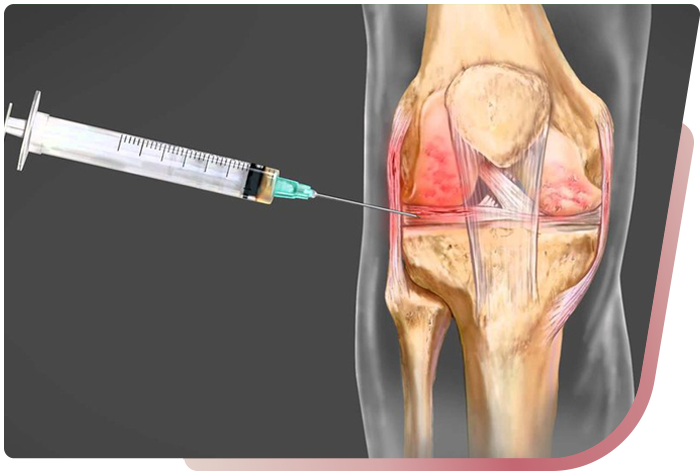
Prolotherapy is also referred to as Regenerative Injection Therapy. It is a non-surgical treatment designed to trigger a natural healing process in your body, which promotes the growth and repair of damaged tendons, ligaments and other sensitive tissues. The term prolotherapy is derived from the word proliferation, which refers to the treatment’s ability to stimulate new tissue growth. This is used to treat chronic musculoskeletal pain and instability in the joint, which happens due to weakened ligaments and tendons.
Common Prolotherapy Techniques
- There are several proliferates used in prolotherapy, and the most common is a mixture of 15 to 25% dextrose blended with a local anaesthetic. This combination is safe and effective and works by creating a shock at the injection site, dehydrating local cells and starting the healing process.
- Another popular choice is Platelet Rich Plasma, short known as PRP, which uses the patient’s blood platelets and is rich in growth stimulation. PRP is the most potent regenerative stimulant available in prolotherapy due to its healing capability.
- Cortisone or corticosteroids are commonly used in injections to reduce inflammation but are not used in prolotherapy. These agents can bring out a healing response that prolotherapy.
How Does This Prolotherapy Work?
Ligaments are the connective tissue that holds bones together in joints, providing stability and strength. They are more like rubber bands, which gives them extra stretch. When ligaments are injured, they do not heal fully because of their limited blood supply, limiting the nutrients and oxygen required for complete recovery. With this, the patient ends up suffering from chronic pain and a higher risk of osteoarthritis and instability. Tendons are the tissues that connect muscles to bones, which can also get damaged, making you suffer from pain and dysfunction.
Prolotherapy eliminates these issues by injecting a dextrose-based proliferate solution directly into the damaged ligaments, tendons, or joints. This injection creates an irritation with a controlled, mild inflammation that triggers the body’s natural healing process. This inflammation initiates the production of new collagen that strengthens the damaged areas and eventually provides stability. This technique allows the body to repair itself, regenerating tissue at the right spot.
Possible Risks and Side Effects
Prolotherapy is generally considered a safe and less invasive procedure, which an experienced and trained practitioner does. Just like any other medical treatment, this also has some minimum risks. Common side effects include minor pain, swelling and stiffness at the injection spot, which vanishes within 2 to 4 days but, in rare cases, lasts up to one week. As the procedure involves piercing the skin with a needle, there is a small risk of infection, which is a rare phenomenon. Severe complications like nerve damage or pneumothorax (punctured lung) are infrequent.
What is the Success Rate or Limitations?
Prolotherapy’s success rates have been impressive. It reduces or eliminates musculoskeletal pain in 80-90% of cases.
- Wrong Target Area: The pain source must be accurately identified and treated. A proper analysis is suggested every few visits to ensure the correct target points.
- Use of Anti-inflammatory Medicines: Certain medications can hinder the healing process started by prolotherapy. Patients are usually advised to avoid these, except in cases where a minimum aspirin dosage is necessary to protect the nerves and heart.
- Inadequate Treatments: A prolotherapy treatment involves many sessions. Improvements start to get noticed after 2-3 treatments but potentially require at least 4-6 or more for the pain to get eliminated.
- Existing Health Issues: Some may have healing deficiencies like immune dysfunction, intense infection, or hormonal imbalances that can stop their body from recovering. Other issues, such as testosterone deficiency, imbalanced nutrition, and more, must be checked, or else the treatment may be ineffective.