
Diagnostic Model with Biomechanical Assessment
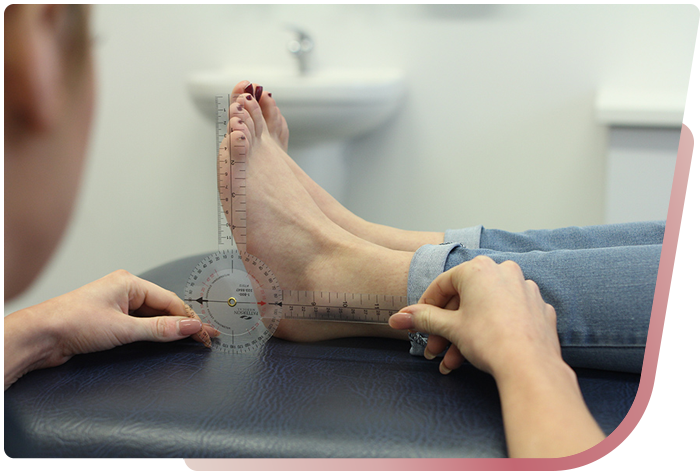
Musculoskeletal pain can start from different anatomical structures. Ligament laxity can end up in joint dysfunction and osteoarthritis. When you overuse your joint, it may lead to muscle dysfunction and the formation of myofascial trigger points, causing acute pain and muscle shortening.
Our skilled musculoskeletal medicine doctor can identify the biomechanical source of pain and use proper treatment methods to make the affected areas normal. Pain can be the main reason for chronic biomechanical failures.
Apart from this, vertebral spinal pathology can also be a source of pain. Treating pain is a sensitive process, and focusing on hidden biomechanical failures is equally important.
- Further findings include:
- Shortening of back lumbar muscle with palpable trigger points
- Malfunction of right sacroiliac joint due to previous trauma causing ligament laxity
- Pain can occur soon if not treated properly
- Our diagnostic model includes:
- Functional Biomechanical-Based Diagnosis
- Joint Releases
- Trigger Point Therapy
- Prolotherapy
- Postural Re-Education
- Pain Management
History Behind This:
In the late 20th century, musculoskeletal medicine transformed into a new medical specialty, evolving beyond the traditional Cartesian practice model. This non-surgical approach to joint injury treatment incorporates elements from internal medicine, physiatry, pain management, functional anatomy, orthopaedic surgery, and anesthesiology
- Musculoskeletal diagnostic and therapeutic techniques have advanced
- New orthopaedic tests reveal ligamentous laxity & provide documentation for joint instability diagnosis.
- Traditional medical models still struggle to explain low back pain. They focus on the intervertebral disc and associated neurological pain but ignore soft tissues.
Post World War II in England, James Cyriax, MD, meticulously analysed soft tissues, finding specific injuries based on functional anatomy and creating a treatment plan for soft tissue structures.
His informative books have become a foundation in modern musculoskeletal medicine, especially in England and Canada. Janet Travell, MD, advanced her pre-war pain studies by developing concepts of somatic pain referral from myofascial trigger points. Her life-changing text explained many pains and introduced effective treatment methods highlighting muscular points. he presence of ligamentous laxity and have provided strong documentation for the diagnosis of joint instability.
In Germany during the 1930s, physician brothers Ferdinand and Walter Huneke discovered a neural therapy that could cause local and distant pain—their method of injecting local anaesthetics into scars produced notable effects. Buckminster Fuller’s concept of tensegrity incorporated opposing forces of compression and tension. In the 1980s, orthopaedic surgeon Steven Levin, MD, used this concept to explain how a single ligament injury can lead to a complicated musculoskeletal dysfunction.
Research conducted in the late 1980s on wound healing and repair of tissues has given a detailed and genuine explanation for prolotherapy, tissue repair, healing mechanisms, and detailing inflammation. Musculoskeletal medicine has continued to evolve and become better throughout the 1990s and still goes on.